Transport Safety Expert — J. J. Keller & Associates, Inc.
DQ FAQs and the Consequences of Not Knowing
Understanding CMV driver qualification requirements is essential for motor carriers to comply with federal regulations and avoid costly mistakes.
Published On: 12/16/2025


Written by:
Corrina Peterson
Understanding commercial motor vehicle (CMV) driver qualification (DQ) requirements is essential for motor carriers to comply with federal regulations and avoid costly mistakes. The following five questions are drawn from real-world scenarios that are commonly misunderstood.
1. Can a CDL driver operate with an expired medical certification showing on the MVR, if the most recent certification hasn’t updated yet?
Yes, temporarily. If a commercial driver’s license (CDL) driver’s medical certification has been updated in the National Registry Integration Phase 2 (NRII) but the motor vehicle record (MVR) hasn’t reflected the change, FMCSA’s waiver, effective through January 10, 2026, allows the driver to operate for up to 60 days with a valid medical card. If the MVR does not update within 3 to 5 days after the exam, take the following steps in sequence:
- Contact the medical examiner to verify the submission of key information such as the CDL number, last name and suffix, birth date, and licensing state.
- Ask the State Driver Licensing Agency (SDLA) to pull the information from the Registry if the examiner’s resubmission is not successful.
- Reach out to the Registry technical support at either of the following:
- fmctechsup@dot.gov
- (617) 494-3003
Why it matters: Operating with an expired certification on the MVR can result in out-of-service violations and liability in the event of a crash.
2. Can a driver seek a second opinion after a medical exam?
Yes, but with conditions. FMCSA allows second opinions, but the employer must approve. The second examiner must receive the same health history, and carriers can require exams from preferred clinics. Employers aren’t obligated to accept certifications from examiners chosen by the driver.
Why it matters: Inconsistent medical histories provided to successive examiners can lead to a driver’s disqualification and potential FMCSA civil enforcement.
3. Can a carrier borrow a driver from a sister company, under the same parent company, without creating a new DQ file?
Only under specific conditions. If the driver operates for two or more Department of Transportation (DOT) numbers within a 7-day period, they may qualify as a “multi-employer driver” under 391.65. The loaning carrier that qualified the driver can issue the borrowing carrier a certificate as proof of the driver’s qualifications. Otherwise, a full DQ file is required. Drug and alcohol testing requirements still apply, including pre-employment queries and random pool inclusion under both carriers’ DOT testing programs.
Why it matters: Misapplying this rule can result in unqualified drivers and audit violations.
4. Do non-CDL drivers need medical cards?
Yes, if they operate CMVs as defined in section 390.5 in interstate commerce. A common misconception is that non-CDL drivers are exempt from medical certification. This may be true if drivers operate in intrastate commerce in certain states or fall under an exception. Also, operating within 150 air miles of their terminal doesn't exempt a non-CDL driver from being medically certified.
Why it matters: A non-CDL driver operating a CMV without a medical certification can result in them being put out of service and greatly increases potential liability.
5. What if DQ file documents are missing?
If documents are missing from a DQ file, never backdate documents. Instead, show a good faith effort to correct the issue:
- Document what’s missing.
- Note what actions were taken.
- Explain what will be done going forward.
Why it matters: Incomplete or outdated files are a top reason for FMCSA audit violations.
Whether managing new hires or everyday operations, staying informed and compliant helps carriers avoid violations and protect their company.
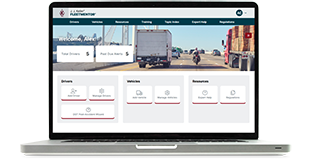
J. J. Keller® FleetMentor® Service
The J. J. Keller® FleetMentor® System serves and supports thousands of transportation professionals every day with problem-solving tools and guidance. Whether you have one truck or a thousand, a fleet of commercial motor vehicles or F-150s, or haul goods or provide services — FleetMentor has you covered.
You may also enjoy the following articles:
Sign up for our newsletter!
We'll help you stay on top of regulations, best practices, and fleet industry news. Sign up to receive a monthly email notification with links to our most recent blog articles, free resources, and event invites.