Transport Safety Expert — J. J. Keller & Associates, Inc.
Lights, Brakes, Tires: The Fastest Way to Cut Roadside Fines in Half
Want to dramatically reduce your roadside violations without complicated overhauls? Zero in on the three most common culprits.
Published On: 11/21/2025

Written by:
Corrina Peterson
Want to dramatically reduce your roadside violations without complicated overhauls? By zeroing in on the three most common culprits — lights, brakes, and tires — you can eliminate more than half of your violations. Taking a few practical steps can simplify compliance, keep your fleet rolling safely, and protect your bottom line.
Lights
Switch to LED lights: LEDs don’t burn out as often as incandescent or sealed beam lights. This simple step can reduce the number of light violations.
- LEDs can last 25,000 to 50,000 hours or more. They slowly dim over time rather than burning out suddenly.
- Incandescent bulbs usually last for about 1,000 to 2,000 hours. The filament inside breaks, causing the bulb to stop working.
Use sealed connections, including during repairs: One common issue with lights is failing wires, in particular at connections. Being disciplined about sealing and protecting connections, particularly during maintenance and repairs, can help eliminate this problem.
Check lights as part of all maintenance activities: Whenever a technician moves a vehicle (truck, tractor, trailer, etc.), all lights should be checked.
Have drivers check the lights during pre-trip, en route, and post-trip inspections: Any time the driver inspects the vehicle, and any time the vehicle is parked, the lights should be checked. Part of this is tracking drivers' compliance with the inspection requirements. This involves tracking roadside inspections and maintenance findings and observing drivers.
Brakes
Match the brake system to the intended work: Specifying the correct brake system and replacement components can eliminate many catastrophic component failures.
Inspect the brakes: Have technicians check brake slack adjuster free play, the condition of all brake components, alarm activation, tractor protection valve function, and for leaks during any service or maintenance activity.
Maintain automatic slack adjusters: Ensure that technicians lubricate and maintain automatic slack adjusters (ASAs) according to the manufacturer recommendations. If an ASA is found out of adjustment, the technician should determine why it is not functioning, not just readjust it.
Have drivers inspect the brakes during pre-trips and post-trips: Drivers are not technicians and cannot inspect the brakes to the same depth as a technician. However, drivers should be able to look at a brake assembly and verify that everything is in place and shows signs of working correctly.
Tires
Match the tires to the intended use of the vehicle: This is especially important if the intended use will be severe.
Check tires during service: Have technicians inspect the tread, condition, and inflation of all tires during any service or maintenance activity.
Develop realistic tread wear limits: Don’t let a vehicle leave the shop with tires that are barely legal.
Limit the types of repairs: Limiting the type of repairs you allow on tires that remain in service can help reduce unexpected blowouts.
Have drivers check the tires during pre-trip, en route, and post-trip inspections: Any time the driver inspects the vehicle, and any time the vehicle is parked, the tires should be checked.
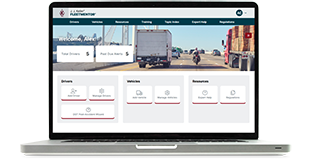
J. J. Keller® FleetMentor® Service
The J. J. Keller® FleetMentor® System serves and supports thousands of transportation professionals every day with problem-solving tools and guidance. Whether you have one truck or a thousand, a fleet of commercial motor vehicles or F-150s, or haul goods or provide services — FleetMentor has you covered.
You may also enjoy the following articles:
Sign up for our newsletter!
We'll help you stay on top of regulations, best practices, and fleet industry news. Sign up to receive a monthly email notification with links to our most recent blog articles, free resources, and event invites.