Industry Business Advisor — J. J. Keller & Associates, Inc.
New FMCSA Rules Aim to Reduce Unnecessary Citations
Vehicle-related requirements that have long frustrated fleets and enforcement officials alike are being revised. Here's what to know about the new changes.
Published On: 04/06/2026

Written by:
Tim Adam
Vehicle-related requirements that have long frustrated fleets and enforcement officials alike are being revised or eliminated this spring. While their impact is relatively narrow, carriers should understand what’s changing and how to protect themselves if roadside enforcement isn’t up to speed.
1. Rear-impact guard labels
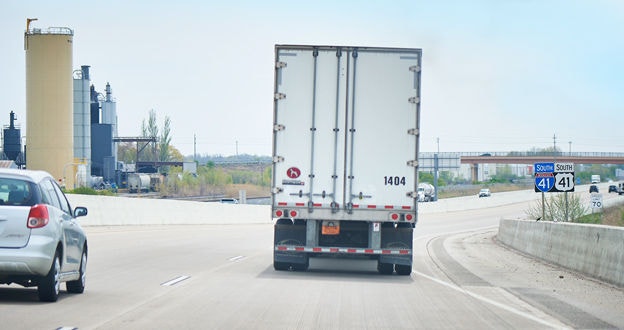
The Federal Motor Carrier Safety Administration (FMCSA) is removing the requirement that rear-impact guards be permanently labeled. Under current rules, trailers are required to have a label certifying that the rear underride guard met federal manufacturing standards at the time it was built.
Why the change? Enforcement agencies and industry groups have repeatedly pointed out that the labels frequently fade, wear off, or are removed during repairs, even though the guard itself remains structurally compliant. As a result, carriers were often cited for a condition they had no practical way to correct.
2. Tractor license-plate lamps
Truck tractors will no longer be required to have a functioning rear license-plate lamp while towing a trailer. The lamp will still be required when the tractor is operating without a trailer, however.
Why the change? When a tractor is coupled to a trailer, the rear license plate and its lamp are typically obscured and serve no practical enforcement or safety purpose. The FMCSA concluded that requiring carriers to maintain a lamp that isn’t visible or relevant during normal operations added unnecessary maintenance costs without a safety benefit.
3. Emergency equipment
Drivers will no longer be required to carry spare fuses starting April 20, and they no longer have the option to use liquid-burning flares as warning devices after March 23. Reflective triangles and/or solid-fuel flares will still be required, as will fire extinguishers.
Why the change? The FMCSA concluded that blown fuses rarely occur during normal operation and, when they do, the repair is typically handled by maintenance personnel rather than drivers. Nevertheless, spare fuses are widely available at truck stops.
Similarly, liquid-burning flares are widely considered obsolete and are rarely used in modern fleet operations. Their continued presence in the regulations caused confusion.
What if you’re cited?
Roadside enforcement practices don’t always change overnight. In addition, states that enforce the FMCSA regulations may adopt different effective dates for rule changes. Motor carriers and drivers should be vigilant about reviewing roadside inspection reports and challenging any citations that were issued improperly.
Bearing in mind that state requirements may vary, motor carriers should use the online DataQs system to challenge any erroneous bumper label or license-plate lamp violations cited after March 23, and any spare-fuse violations cited after April 20.

J. J. Keller® FleetMentor® Service
The J. J. Keller® FleetMentor® System serves and supports thousands of transportation professionals every day with problem-solving tools and guidance. Whether you have one truck or a thousand, a fleet of commercial motor vehicles or F-150s, or haul goods or provide services — FleetMentor has you covered.
You may also enjoy the following articles:
Sign up for our newsletter!
We'll help you stay on top of regulations, best practices, and fleet industry news. Sign up to receive a monthly email notification with links to our most recent blog articles, free resources, and event invites.