Transport Expert — J. J. Keller & Associates, Inc.
Taxable vs. Non-Taxable Miles Under IFTA
Knowing the key differences between taxable and non-taxable miles can help you avoid costly errors, minimize payments, and claim your rightful refunds when filing your quarterly IFTA fuel tax returns.
Published On: 03/06/2026


Written by:
Alexandra Palmer
Knowing the key differences between taxable and non-taxable miles can help you avoid costly errors, minimize payments, and claim your rightful refunds when filing your quarterly IFTA fuel tax returns.
The International Fuel Tax Agreement (IFTA) is an agreement amongst the lower 48 U.S. states and 10 Canadian provinces to simplify the collection and distribution of fuel use taxes. Although there are no federal regulations that specifically apply to IFTA, any person or carrier based in an IFTA jurisdiction who operates a qualified motor vehicle across two or more member jurisdictions must obtain an IFTA license.
All miles are reportable
IFTA requires carriers to file quarterly reports with a record of all miles traveled and all fuel purchased. This includes deadhead miles, personal conveyance, yard moves, and any other movement – taxable or not. Note that exemptions that apply under other programs, such as hours-of-service rules, do not apply to IFTA.
Accurately reporting all miles and fuel used is critical to calculating your fleet’s average miles per gallon (mpg). Errors in either number can distort mpg and cause incorrect tax due or refund amounts. Report every mile traveled to ensure accurate mpg calculations, then separately identify exempt or nontaxable miles later in the form.
Some miles are taxable
Exempt miles under IFTA vary considerably by jurisdiction (such as forest and agricultural roads in California and off-highway and private roads in several states).
Some jurisdictions allow fuel permit exemptions, where any miles driven under the permit are not taxable. Note that all jurisdictions require documentation to support any claim of tax-exempt or non-taxable miles.
Read the fine print
It is essential that you understand and comply with the terms of any exemptions you claim, as errors can be costly.
A common IFTA reporting error includes claiming an exemption for New York toll miles. These miles may be deductible under the New York Highway Use Tax (HUT), but they cannot be deducted under IFTA.
Oregon is another special case: it does not tax motor fuel under IFTA. Instead, it imposes a separate weight-mile tax. However, Oregon miles and gallons must still be reported on IFTA returns to calculate fleet mpg.
Key to remember
Under IFTA, ALL miles must be tracked and reported, but SOME miles are exempt or non-taxable. Understand the difference to avoid errors, minimize payments, and claim refunds when qualified.
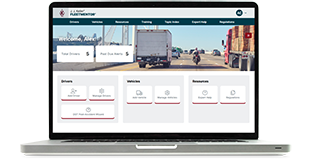
J. J. Keller® FleetMentor® Service
The J. J. Keller® FleetMentor® System serves and supports thousands of transportation professionals every day with problem-solving tools and guidance. Whether you have one truck or a thousand, a fleet of commercial motor vehicles or F-150s, or haul goods or provide services — FleetMentor has you covered.
You may also enjoy the following articles:
Sign up for our newsletter!
We'll help you stay on top of regulations, best practices, and fleet industry news. Sign up to receive a monthly email notification with links to our most recent blog articles, free resources, and event invites.