Transport Expert — J. J. Keller & Associates, Inc.
Phishing Scams Target Motor Carriers
Motor carriers nationwide are being urged to stay alert as FMCSA reports a surge in deceptive emails crafted to look like legitimate government communication.
Published On: 07/23/2026


Written by:
Alexandra Palmer
Motor carriers nationwide are being urged to stay alert as FMCSA reports a surge in deceptive emails crafted to look like legitimate government communication. These messages frequently include professional looking documents, official appearing logos, and language that mirrors real FMCSA notices. While they may appear authentic, they are engineered to harvest personal data, financial information, or login credentials that can compromise a carrier’s operations.
FMCSA has emphasized that these emails do not originate from USDOT or the agency itself. One of the most reliable warning signs is the sender’s email domain. Official FMCSA correspondence almost always comes from an address ending in .gov. Although there are rare exceptions, such as customer satisfaction surveys sent after contacting the FMCSA Contact Center, those messages never request personal, financial, or account information.
How scammers create a false sense of urgency
Industry reports note that the sophistication of these phishing attempts has increased significantly. Many messages convey a sense of urgency, warning recipients that their USDOT number is at risk, that compliance updates are overdue, or that immediate payment is required to avoid penalties or being placed out-of-service. These tactics are designed to pressure carriers into responding quickly without verifying the source.
FMCSA stresses that it never demands payment or sensitive information through unsolicited email. Any message requesting such information should be treated as a scam.
Key warning signs to watch for
Motor carriers can protect themselves by watching for several common red flags:
- Non-government email domains or sender addresses that appear slightly altered;
- Unexpected requests for payment, especially those tied to threats or deadlines;
- Embedded links directing users to unfamiliar login pages;
- A sense of urgency, especially regarding operating authority;
- Attachments that claim to be compliance documents or renewal notices; and
- Spelling or formatting inconsistencies, even in otherwise professional looking messages.
Protecting your business from phishing attempts
To reduce the risk of falling victim to these scams, FMCSA recommends that carriers:
- Verify the sender’s domain before responding to any message;
- Avoid clicking links in unsolicited emails, especially those requesting payment or personal data;
- Log in directly to official FMCSA or USDOT portals, such as Motus, rather than using email links; and
- Report suspicious emails to the appropriate fraud reporting channels.
As phishing schemes continue to evolve, awareness remains the strongest defense. Carriers who stay informed, verify communications, and follow FMCSA’s recommended precautions can significantly reduce their risk.
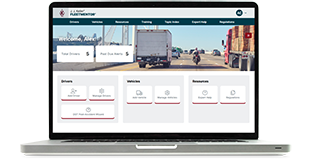
J. J. Keller® FleetMentor® Service
The J. J. Keller® FleetMentor® System serves and supports thousands of transportation professionals every day with problem-solving tools and guidance. Whether you have one truck or a thousand, a fleet of commercial motor vehicles or F-150s, or haul goods or provide services — FleetMentor has you covered.
You may also enjoy the following articles:
Sign up for our newsletter!
We'll help you stay on top of regulations, best practices, and fleet industry news. Sign up to receive a monthly email notification with links to our most recent blog articles, free resources, and event invites.