Transport Expert — J. J. Keller & Associates, Inc.
Understanding MVRs: Your Top Questions Answered
Whether you're managing commercial driver’s license (CDL) drivers, non-CDL drivers, or employees who occasionally operate company vehicles, understanding MVR requirements can help you make better hiring, qualification, and safety decisions.
Published On: 09/01/2026


Written by:
Alexandra Palmer
Motor vehicle reports (MVRs) are one of the most valuable tools for evaluating driver qualification, identifying risky driving behaviors, and reducing liability exposure.
Whether you're managing commercial driver’s license (CDL) drivers, non-CDL drivers, or employees who occasionally operate company vehicles, understanding MVR requirements can help you make better hiring, qualification, and safety decisions.
Who needs an MVR?
Some employers may think MVR requirements only apply to CDL drivers, but that's not the case. Any employee operating commercial motor vehicles (CMVs) that meet the federal definition of a CMV is subject to driver qualification requirements regardless of whether they hold a CDL.
This can include non-CDL drivers, supervisors, mechanics, owners, or other employees who occasionally operate regulated vehicles. If a person drives a CMV in interstate commerce, they must meet the same qualification standards as a full-time driver.
When should the initial MVR be obtained?
For non-CDL drivers subject to the driver qualification regulations under 391.51, employers must obtain the MVR within 30 days of hire. As a best practice, however, many fleets review an MVR before allowing a driver behind the wheel.
For CDL drivers, the MVR serves an additional purpose. It’s also used to verify DOT medical certification status and must be obtained before allowing a driver to operate a CMV.
How often should MVRs be reviewed?
Regulations require motor carriers to obtain and review a driver’s MVR at least once every 12 months. The review should evaluate licensing status, convictions, restrictions, endorsements, and any other changes that could affect the driver's qualifications. Drivers should also be reviewed against your internal policies on established safe driving thresholds — or as it’s often referred to, your “points” or “scoring” system.
An annual MVR review is the minimum requirement, and a lot can change on a driver’s record if you’re waiting a full year to run their MVR. Many fleets have moved beyond annual reviews and now use continuous MVR monitoring programs, or run more frequent MVRs, such as quarterly reviews. This practice is highly recommended and will help carriers avoid being blindsided by a disqualified driver.
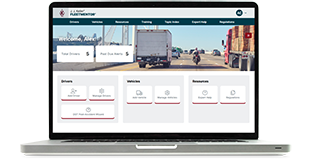
J. J. Keller® FleetMentor® Service
The J. J. Keller® FleetMentor® System serves and supports thousands of transportation professionals every day with problem-solving tools and guidance. Whether you have one truck or a thousand, a fleet of commercial motor vehicles or F-150s, or haul goods or provide services — FleetMentor has you covered.
You may also enjoy the following articles:
Sign up for our newsletter!
We'll help you stay on top of regulations, best practices, and fleet industry news. Sign up to receive a monthly email notification with links to our most recent blog articles, free resources, and event invites.