Transport Expert — J. J. Keller & Associates, Inc.
How Drivers Can Plan to Overcome Unexpected Obstacles
Making the most of your fleet’s available driving hours is an essential part of ensuring on-time deliveries. Here's how to create a trip plan ensuring smooth travels.
Published On: 06/05/2026


Written by:
Alexandra Palmer
Making the most of your fleet’s available driving hours is an essential part of ensuring on-time deliveries. Having your drivers spend 5 minutes at the beginning of each shift planning their trip can save both you and them hours of potential downtime.
What is a trip plan?
A trip plan is a driver’s schedule for the day, written with contingencies in mind. Preparing a thorough trip plan involves looking at the driver’s load information, route, the weather conditions along the route, their available hours and breaks, and fuel needs.
The driver will use this information to determine the best way to go about their day. This may include picking rest stops ahead of time, knowing when they may run into adverse weather conditions, and communicating with their dispatcher if they are worried about making it to a customer on time.
How does a trip plan help your drivers improve their efficiency?
When drivers skip their trip plan, they miss out on an opportunity to select the shortest or safest route, identify safe and legal parking locations, plan breaks, and avoid poor weather conditions or construction. Drivers who plan their day are less likely to run into unexpected obstacles, such as low bridges, unexpected bad weather, or rush-hour traffic.
For example, if their current plan has them ending up in downtown Chicago during rush hour, they could choose to:
- Take a short break before reaching the city, wait for rush hour to pass, and start driving again once traffic has cleared; or
- Find an alternative route that goes around the city and avoids the traffic.
If they choose to rest, they could utilize the split-sleeper provision by spending 2+ hours resting in their sleeper berth. Then after that short break, they could be driving again while feeling refreshed. This would allow the drivers to work later in the day, without having spent those 2+ hours accumulating fatigue while behind the wheel in bumper-to-bumper traffic.
Alternatively, if they will be driving through Chicago early in their shift and don’t feel as though they will need rest yet, they can choose an alternative route that will allow them to bypass the traffic.
Should you train drivers to trip plan?
Trip-planning is an essential first step in many drivers’ day, while others may feel it is a waste of time. To decide whether it is something you want your drivers to implement as a standard part of their routine, consider how your fleet is spending their time today. Are they experiencing substantial amounts of down time due to traffic, weather, or miscommunication? If so, you and your drivers may benefit from trip planning.
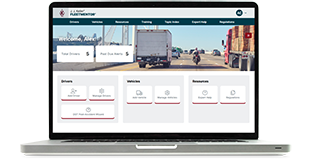
J. J. Keller® FleetMentor® Service
The J. J. Keller® FleetMentor® System serves and supports thousands of transportation professionals every day with problem-solving tools and guidance. Whether you have one truck or a thousand, a fleet of commercial motor vehicles or F-150s, or haul goods or provide services — FleetMentor has you covered.
You may also enjoy the following articles:
Sign up for our newsletter!
We'll help you stay on top of regulations, best practices, and fleet industry news. Sign up to receive a monthly email notification with links to our most recent blog articles, free resources, and event invites.